
Ages 3–5
Pre-Primary (Nursery & KG)
A joyful first school experience where little learners build language, numbers and social confidence through play, stories, music and hands-on discovery.
Academics
Ages 3–5
A joyful first school experience where little learners build language, numbers and social confidence through play, stories, music and hands-on discovery.

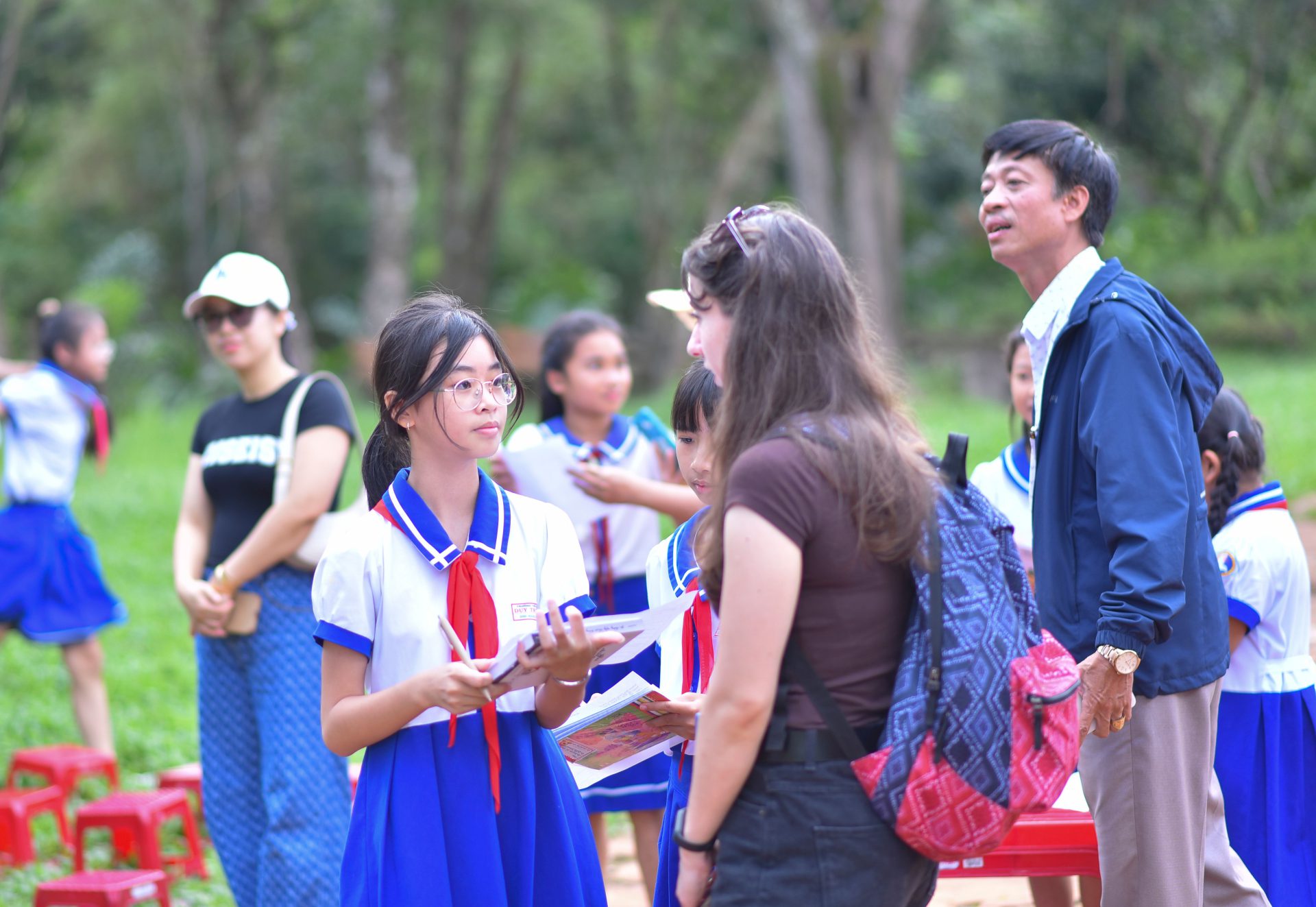
Ages 6–10
Strong foundations in Nepali, English, mathematics and science, taught through activity-based lessons that keep curiosity alive.
Ages 11–13
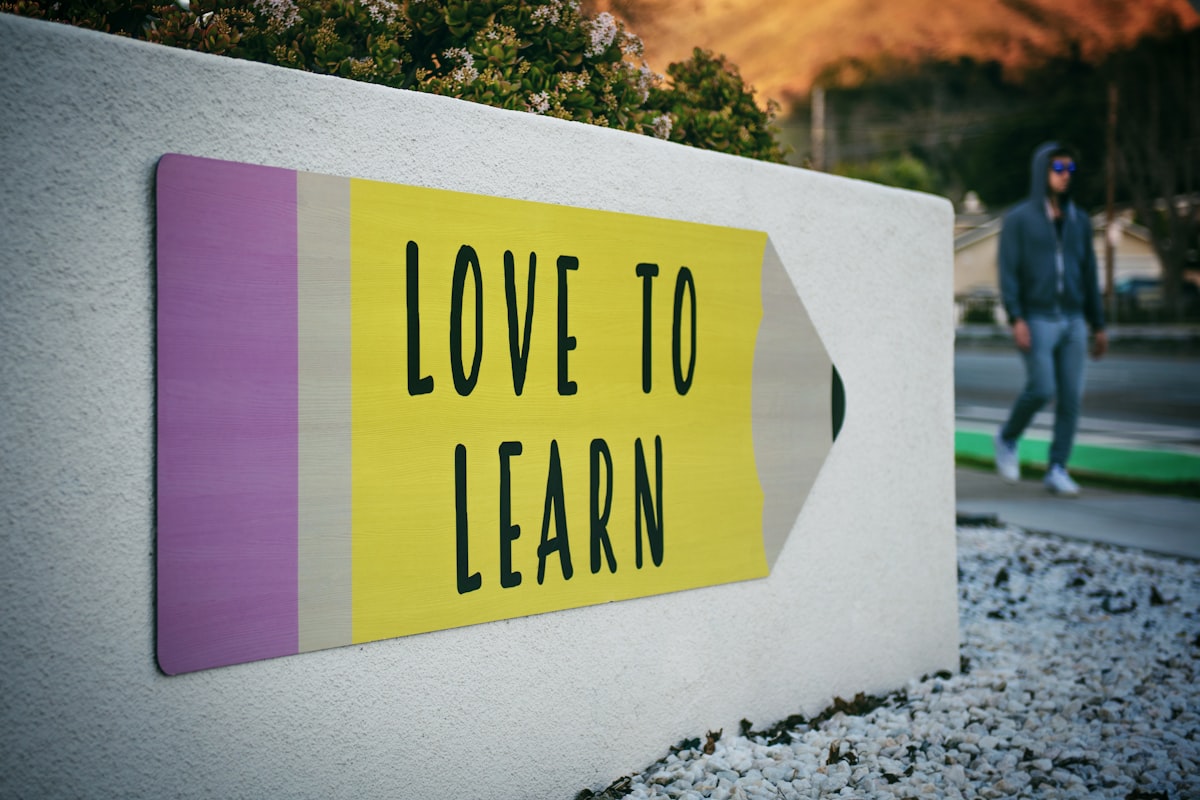
Subject specialisation begins with well-equipped science and computer labs, plus clubs that let interests turn into real skills.
Ages 14–16
Focused SEE preparation with experienced subject teachers, regular assessments and personal guidance for every student.

Ages 17–18
NEB-affiliated +2 streams in Science, Management and Humanities — a challenging, supportive bridge to university and career.
The journey
Play-based literacy and numeracy, language-rich days, motor skills and social-emotional growth.
Strong core in languages, mathematics and environmental studies, with arts, PE and values education.
Strong core in Nepali, English, mathematics and science, with arts, PE and moral education.
Subject specialisation begins: sciences split, second language deepens, and research skills are introduced.
Subject specialisation begins: sciences split, third language options deepen, and research skills are introduced.
Board-aligned streams with elective choices, career guidance and preparation for life after school.
SEE preparation in Grades 9–10, then NEB Ten Plus Two streams — Science, Management or Humanities — with career guidance.
Concepts before content: students learn why ideas work, not just how to repeat them.
Discussion, debate, experiments and making — learners participate instead of just listening.
Teachers track individual progress and adjust support so no learner is left rushing or waiting.
Subjects link to real life — projects draw on community, nature and current questions.